Alaska - Glacier Bay Wilderness Cruise Tours | from Sitka to Juneau
Active Alaska Adventure Cruise Tours: The Glacier Bay, Sitka and Juneau
 |
 |
 |
Day 1: Sitka
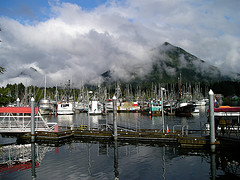
Journey to a place where the mountains rise from the sea and an ancient volcano waits patiently to be explored. A place where the air is clean, the water clear, and thick forests flourish in foggy valleys. Accessible by air or state ferry, discover the charming island community of Sitka Alaska on Baranof Island. Hidden deep within the spruce and hemlock rainforest that covers Baranof Island a diverse array of wildlife can be found. Take a hike and search for the American bald eagle and Sitka's black-tailed deer, or visit the Fortress of the Bear and marvel at the wild beauty of the brown bear in an exhibit that replicates their natural habitat. Home to the magnificent humpback whale, sea lions, sea otters, and swarming with seabird rookeries; Sitka is also abundant with marine wildlife. Nature lovers will appreciate the ocean-going charters and tours that provide an extraordinary opportunity to view some of the world's most spectacular sea creatures. For the experience of a lifetime attend the Sitka Whalefest in November and celebrate Sitka's marine life with special activities and seminars hosted by renowned marine biologists. Nestled amongst the unparalleled natural splendor, Sitka boasts twenty-four attractions listed on the National Register of Historic Places. Learn about the ancestral home of the Kiksadi Tlingit Indians and delve into the rich heritage in the local museums housing rare archives and artifacts. Take a guided tour of the grand historic Bishop's House and be transported to the Russian colonial era. Walk the site of the 1804 battlefield at Sitka National Historical Park or study the brightly painted totems along the coastal Totem Trail. Stop by the Southeast Cultural Center's native arts workshop, and chat with woodcarvers, jewelry makers and other gifted artisans. For the most spectacular views take a Seaplane tour and see fantastic geological wonders such as the gaping crater of Mt. Edgecumbe. Set off in search of excitement in a world class kayaking, ocean rafting, diving, snorkeling or underwater exploration adventure. Experience legendary fishing and challenge yourself to reel in some of the world's largest salmon and halibut at the popular Sitka Salmon Derby, which awards cash and prizes every year. Tee off at Sea Mountain Golf Course and enjoy views of stunning Mount, and Harbor Mountain towering in the background.
Day 2: Peril Strait
Day 3: Chichagof Island | Stephens Passage
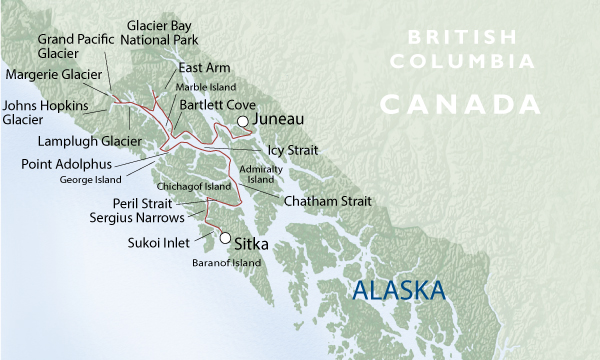
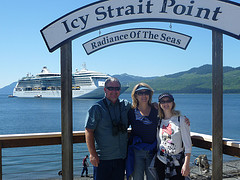
Day 4: Icy Strait
Day 5: Glacier Bay
Day 6: Glacier Bay
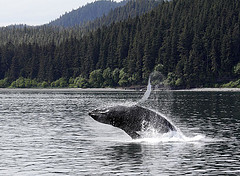
We are exploring a waterway that was under a river of ice only 250 years ago. A National Park Ranger will be onboard to help spot wildlife, provide commentary and programs to help passengers understand and appreciate Glacier Bay National Park. Be sure to have binoculars ready and rain gear handy so you can be outside to greet each new discovery! Sea Lions at South Marble Island. One of the first highlights of the day is a stop at South Marble Island. The vessel cruises very close to the small isolated island to observe seabirds and marine mammals. Be sure you are outside to see, hear and even smell the creatures that live here. Tufted and Horned Puffins and their cousins the Common Murre nest here alongside Pelagic Cormorants and Black-legged Kittiwakes. Steller Sea Lions haul out here between feeding because of the convenient location, flat, smooth rocks, and nearby feeding grounds. There may be over 300 sea lions clustered on the rocks together, growling and roaring as they wrestle for the best resting spot. Mountain Goats are found on steep mountian sides. As you continue toward the glaciers, you can scan the beach for black bear, grizzly bear, moose, and wolves. Watch along any barren mountainsides for the white coats of the mountain goats that scale precarious cliff edges. Most of this terrestrial wildlife returned recently to this landscape, recolonizing after the retreat of the glaciers that began only two-and-a-half centuries before. Mountain goats, however, may have lived on the lonely peaks that jutted above the rivers ice that flowed in Glacier Bay.
Day 7: Glacier Bay
Worldwide, the glacial facts are staggering. Glaciers and polar ice store more water than lakes and rivers, groundwater, and the atmosphere combined. Ten percent of our world is under ice today, equaling the percent being farmed. If the world's ice caps thawed completely, sea level would rise enough to inundate half of the world's cities. The Greenland and Antarctic ice caps are 2 miles thick. Alaska is four percent ice. Glaciers form because snowfall in the high mountains exceeds snowmelt. The snowflakes first change to granular snow, round ice grains, but the accumulating weight soon presses it into solid ice. Eventually, gravity sets the ice mass flowing downslope at up to seven feet per day. The park includes some 12 tidewater glaciers that calve into the bay. The show can be spectacular. As water undermines some ice fronts great blocks of ice up to 200 feet high break loose and crash into the water. Johns Hopkins Glacier calves such volumes of ice that it is seldom possible to approach its ice cliffs closer than about two miles. The glaciers seen here today are remnants of a general ice advance, the Little Ice Age, that began about 4,000 years ago. This advance in no way approached the extent of continental glaciation during Pleistocene time. The Little Ice age reached its maximum extent here about 1750, when general melting began. Today's advance or retreat of a glacier snout reflects many factors: snowfall rate, topography, and climate trends. Glacial retreat continues today on the bay's east and southwest sides, but on its west side several glaciers are advancing. The snowcapped Fairweather Range supplies ice to all glaciers on the peninsula separating Glacier Bay from the Gulf of Alaska. Mount Fairweather, the range's highest peak, stands at 15,320 feet. Near Johns Hopkins Inlet, several peaks rise from sea level to 6,520 feet within just 4 miles of shore. The great glaciers of the past carved these fjords, or drowned valleys, out of the mountains like great troughs. Landslides help widen the troughs as the glaciers remove the bedrock support on upper slopes. Huge icebergs may last a week or more, and they provide perches for bald eagles, cormorants, and gulls. Close by, kayakers have heard the stress and strain of melting: water drips, air bubbles pop, and cracks develop. Colors betray a berg's nature or origin. White bergs hold many trapped air bubbles. Blue bergs are dense. Greenish-blackish bergs may have calved off glacier bottoms. Dark-striped brown bergs carry morainal rubble from the joining of tributary glaciers or other sources. How high a berg floats depends upon its size, the ice's density, and the water's density. Bergs may be weighed down, submerged even, by rock and rubble. A modest looking berg may suddenly loom enormous, and endanger small craft, when it rolls over. Keep in mind that what you see is "just the tip of the iceberg."
Day 8: Juneau
Arriving in Juneau, you will be transferred from the airport to our hospitality area. Upon boarding, your crew greets you with champagne and smiles. Set sail for a week of scenic channels and secluded wilderness. Optional Overnight in Juneau: Alaska's capital city is the third largest city in the state. Like Alaska, Juneau is full of contrasts, a sophisticated cosmopolitan city in the heart of the Tongass National Forest. Nestled at the base of towering mountains overlooking the Gastineau Channel, the community's rich culture and history is displayed throughout the town. Juneau has a vibrant urban feel with great dining, shopping and lodging, while being surrounded by jaw-dropping scenic vistas. Speaking of dining, sampling a city’s local fare is a big part of any vacation and a visit to Juneau delivers tastes that delight the senses. From Alaska salmon, halibut and crab to sourdough bagels, homemade fudge, and award-winning coffee and beer, Juneau can satisfy even the most discriminating palate. Travelers can expect a host of activities from wild to mild. Choose hiking miles of scenic short trails through temperate rainforest, tidal beaches and up mountains capped by alpine meadows, or take to the air for stunning views of the coastal mountains and the Juneau Icefield. Helicopters and floatplanes give visitors an exhilarating view and make it possible get a sense of the vast wilderness surrounding Juneau.
Tour Includes
|
|
Rates per Person in US $ from Sitka - Juneau
| Tour Number | TA-CT02 | Friday Departures from Sitka |
||||
|
please contact us for rates |
|
|||
Additional Hotel Reservations | Flights
| Rates in US$ | Per Person |
Adult |
|
1 Night **** Hotel Accommodation in Juneau | Rates per Room including Tax 1 Night **** Hotel Accommodation in Sitka | Rates per Room including Tax Flight Sitka - Juneau OR Juneau - Sitka | Rates per Person including Tax |
$0.00 $0.00 $0.00 |